Master Your Camera: A Beginner's Photography Workshop Guide
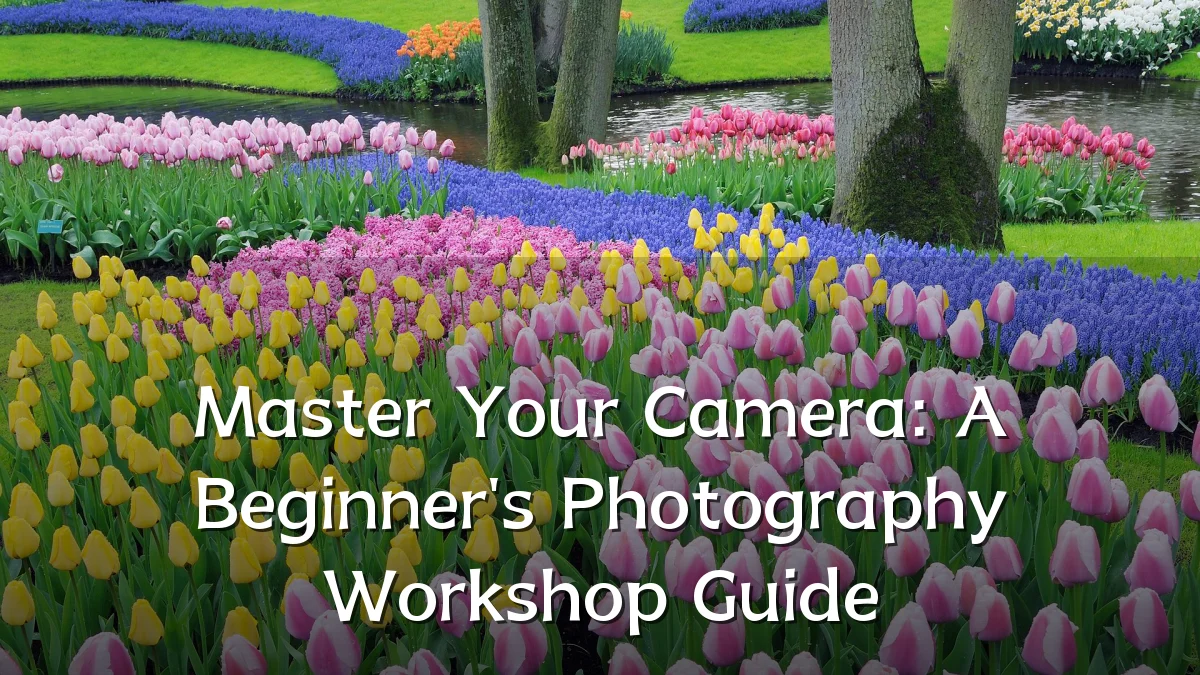
Recent Trends in Entry-Level Photography Education
The market for beginner photography instruction has expanded notably in the past few years. Mirrorless and smartphone cameras now include sophisticated manual controls, and many newcomers seek structured guidance to move beyond auto mode. Online platforms offer live workshops, while local camera stores have revived in-person sessions. Social media communities frequently share workshop recommendations, boosting demand for accessible, hands-on learning experiences.

Background: Why Workshops for Beginners Grew
Historically, learning photography meant reading thick manuals or joining a photography club. Digital cameras lowered the entry barrier, but new users often felt overwhelmed by aperture, shutter speed, and ISO settings. Workshops emerged as a focused alternative. They combine theory with immediate practice, letting beginners ask real-time questions. Many instructors now design courses around common camera brands and entry-level DSLR/mirrorless models, ensuring participants can apply lessons directly.

- Workshops often cover exposure triangle, composition basics, and in-camera settings.
- Instructors typically provide exercises (e.g., controlling depth of field, freezing motion).
- Post-processing introductions (editing raw files) have become a frequent add-on module.
User Concerns When Choosing a Workshop
Beginners commonly worry about equipment requirements. Some workshops require a DSLR/mirrorless camera with manual mode, while others accept high-end smartphones. Pricing ranges widely: half-day local sessions may cost less than full multi-day retreats. Another concern is instructor credibility—participants want someone who can explain concepts clearly, not just a professional photographer who can’t teach. Location matters, too: indoor workshops with controlled lighting versus outdoor sessions dependent on weather.
- Confirm the required camera type and whether rental gear is available.
- Check class size (small groups allow more personalized attention).
- Review curriculum: does it cover both theory and outdoor practice?
- Ask about refund policies, especially for weather-dependent sessions.
Likely Impact on Beginner Photographers
A well-structured workshop can accelerate a beginner’s learning curve dramatically. Participants typically gain confidence in manual mode, understand basic composition rules, and leave with usable photos. They also build a foundation for further self-study. However, workshops alone are rarely sufficient—ongoing practice and experimentation remain essential. A single session may spark long-term interest, leading participants to join clubs, take advanced courses, or pursue photography as a serious hobby.
What to Watch Next
Look for workshops that emphasize iterative feedback, such as reviewing participant shots live. Also watch for hybrid models: pre-recorded theory lessons with in-person practical sessions. As camera technology evolves, workshops may integrate computational photography tips and AI-assisted editing tools. Beginners should also check for workshops that offer follow-up resources (e.g., cheat sheets, private community groups) to reinforce learning after the session ends.
- Development of specialized workshops (e.g., macro, night, or portrait for beginners).
- Increasing use of video-based assignments in online workshops.
- Partnerships between camera brands and workshop providers (loaner gear deals).
- Growth of peer-led “camera meetups” that supplement formal workshops.