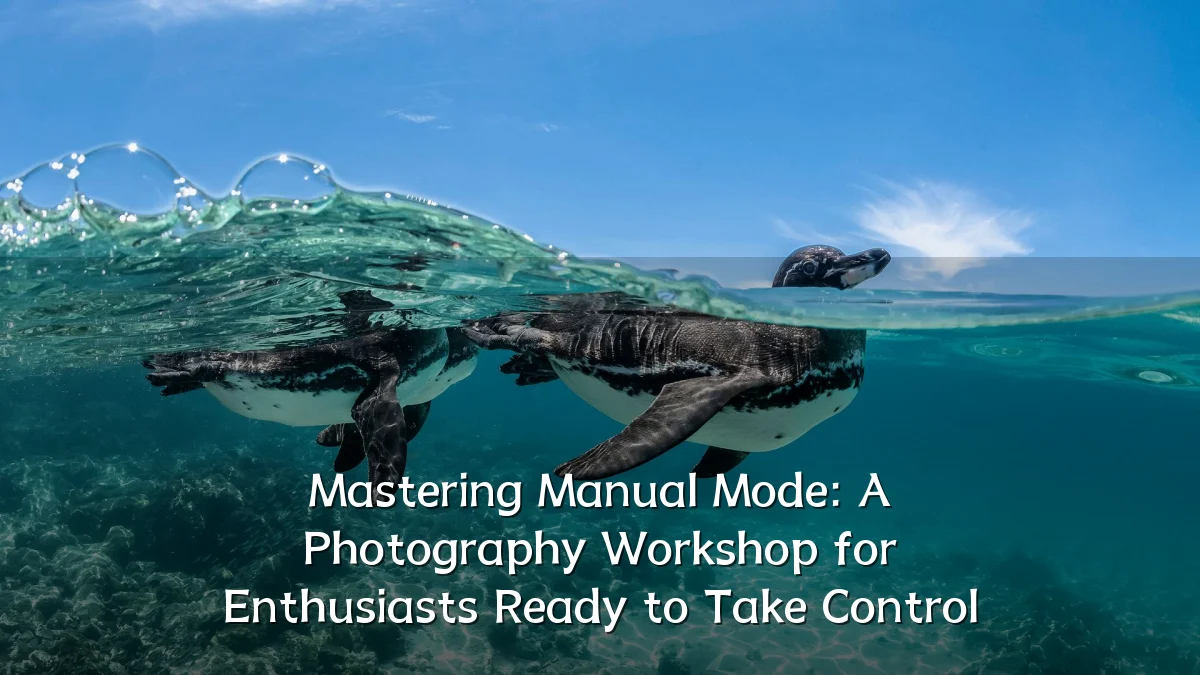
Mastering Manual Mode: A Photography Workshop for Enthusiasts Ready to Take Control
Recent Trends
Interest in manual-mode photography has risen steadily as camera technology evolves. Enthusiasts who once relied on scene modes or semi-automatic programs are now seeking deeper creative control. The popularity of mirrorless cameras with real-time exposure previews has made learning manual settings more intuitive. Meanwhile, social media communities emphasize “shot-in-camera” mastery, encouraging workshops that rebuild confidence in aperture, shutter speed, and ISO decisions.
- Growth in online and in-person workshops dedicated to exposure fundamentals
- Shift from computational auto modes toward hands-on adjustment of the exposure triangle
- Increased demand for live feedback during practice sessions
Background
Manual mode places the photographer in full command of exposure, overriding the camera’s automated decisions. For many enthusiasts, the jump from Auto or Program to Manual feels intimidating—yet it is often the key to consistent results in challenging light, motion control, and depth-of-field management. Workshops that structure this transition gradually, starting with one variable at a time, help participants internalize cause-and-effect relationships. Common starting points include metering basics, histogram interpretation, and setting a base ISO for available light.
User Concerns
Attendees typically share similar reservations before enrolling. Addressing these early can set realistic expectations and reduce frustration.
- Complexity overload – Fear of forgetting settings while a fleeting moment passes
- Exposure errors – Concern about underexposed or blown-out images during practice
- Time investment – Worry that manual mode will slow down shooting speed
- Equipment limitations – Uncertainty about whether their current camera supports easy manual adjustments
Well-designed workshops mitigate these concerns with structured exercises, cheat-sheet references, and instructor-led reviews of each exposure variable before combining them.
Likely Impact
Participants who complete a focused manual-mode workshop can expect measurable gains in exposure precision and creative flexibility. The immediate impact often includes fewer corrected exposures in post-processing and a more deliberate shooting pace. Over the longer term, enthusiasts report greater confidence when working with difficult lighting, such as backlit subjects or low-light interiors.
- Improved ability to set exposure intuition without chimping (checking the LCD after every shot)
- Better handling of high-contrast scenes through practice with exposure compensation and spot metering
- Potential short-term increase in missed shots as muscle memory develops
Workshop organizers note that the most significant gains appear when participants practice deliberately for at least two to four weeks after the session.
What to Watch Next
As manual-mode workshops mature, several developments may shape how enthusiasts learn in the coming year:
- Hybrid formats – Pre-recorded theory modules followed by live, in-field practice sessions
- Genre-specific workshops – Dedicated groups for portrait, landscape, or action shooters who want relevant context
- AI-assisted learning tools – Camera apps that simulate exposure changes in real time before leaving home
- Community follow-up – Weekly photo challenges or critique groups that reinforce manual-mode habits after the workshop ends
Enthusiasts considering a workshop should look for one that provides clear post-workshop resources—whether that is a practice plan, a private forum, or scheduled Q&A sessions—to turn temporary knowledge into permanent skill.