Mastering Natural Light: Essential Portrait Lighting Techniques for Stunning Photos
Recent Trends in Portrait Photography
The past several seasons have seen a pronounced shift toward natural-light portraits, driven by social media aesthetics and the ubiquity of high-quality smartphone cameras. Photographers at all levels are seeking tips for controlling available light rather than relying on studio equipment. Online tutorials and short-form video platforms have popularized techniques such as window-side positioning and “golden hour” timing, making these methods accessible to a broad audience.
- Mobile-first composition: Many creators now shoot portraits with natural light to achieve softer, more organic looks that resonate on platforms like Instagram and TikTok.
- Minimalist gear trend: Portable reflectors and diffusers have replaced bulky strobes in many travel-friendly kits.
- Emphasis on mood: Natural light is frequently used to evoke a sense of authenticity and emotional depth without heavy post-processing.
Background: Core Principles of Natural-Light Portraiture
Mastering natural light requires understanding how its quality, direction, and warmth affect a subject’s features. The fundamentals have remained consistent over decades: soft light flatters skin, while hard light emphasizes texture. Key principles include:
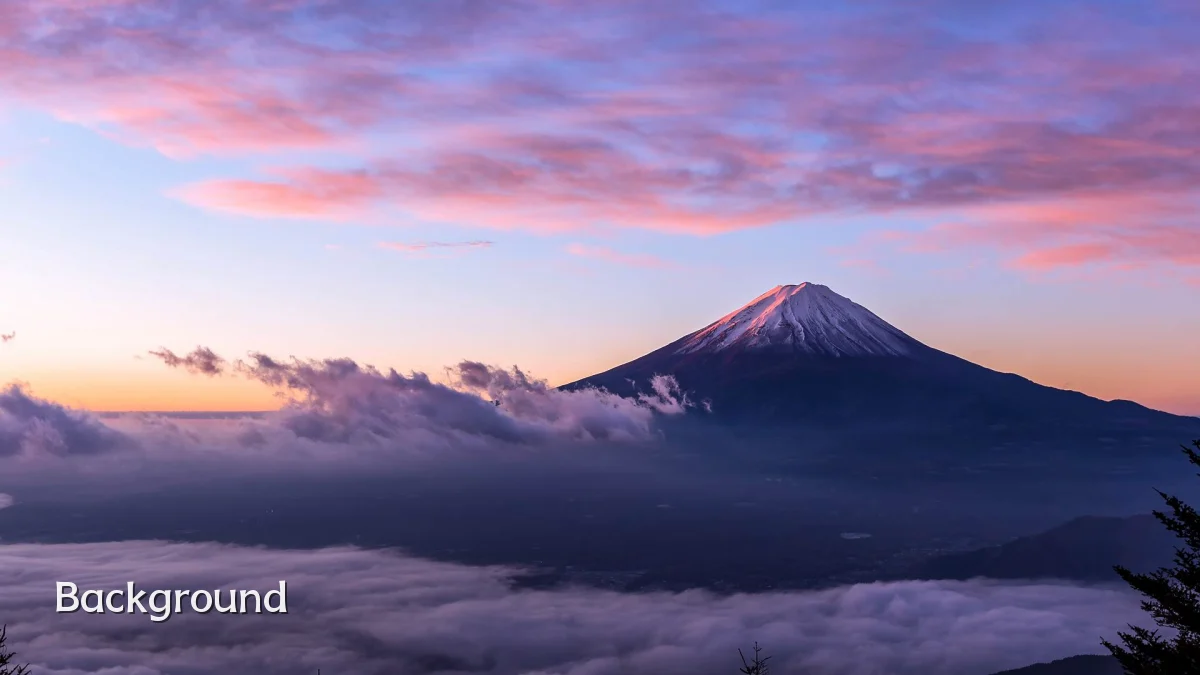
- Golden hour (roughly the first and last hour of sunlight) provides warm, low-angle light with long shadows and a gentle glow.
- Window light functions as a large, diffused source; the size of the window and distance to the subject determine softness.
- Open shade under a tree or building overhang eliminates harsh direct sun, creating even illumination.
- The “loop” and “Rembrandt” patterns remain standard setups for shaping the face with natural side lighting.
Common User Concerns and Practical Solutions
Photographers often encounter three recurring issues when working with natural light: inconsistent exposure, unflattering shadows, and unwanted color casts. The following concerns and practical adjustments are frequently discussed in photography communities:
- Inconsistent light on overcast days: Use a white reflector or a sheet to bounce weaker light onto the subject’s shadow side. Adjust ISO upward (e.g., 400–800) while maintaining a wide aperture.
- Harsh midday shadows: Move the subject into open shade or use a diffusion panel (even a white curtain) to soften direct sun. Avoid shooting at hours when the sun is directly overhead.
- Yellow or green color cast from foliage or warm interiors: Use a neutral gray card to set white balance in-camera or correct in post. A simple color-checker can reduce hours of editing.
- Subjects squinting or blinking: Position them so the light hits at a 45-degree angle rather than directly in the eyes. Sunglasses can also be a stylistic solution.
Likely Impact on Photographic Outcomes
Consistent application of natural-light techniques tends to yield more cohesive image galleries, lower retouching time, and greater portfolio consistency. Photographers who invest time in understanding light direction and softness often report a marked improvement in client satisfaction and social media engagement. For professionals, mastering available light can reduce equipment costs and reliance on artificial setups, while hobbyists benefit from faster learning curves.
Early adopters of these approaches have demonstrated that natural-light portraits can compete with studio work in terms of sharpness, depth, and emotional resonance. The main trade-off is loss of full control over light intensity and color temperature, but working within natural constraints often pushes creative problem-solving.
What to Watch Next
As camera sensors and computational photography improve, natural-light techniques will likely integrate more seamlessly with AI-assisted editing tools. Watch for developments in real-time light visualization on mirrorless cameras, which can preview shadow and highlight detail before capture. Additionally, portable light modifiers (e.g., pop-up diffusers and magnetic reflectors) continue to become more compact and effective.
- Advanced diffusion options: Look for collapsible fabrics that offer variable stop reduction (e.g., 1-stop to 4-stop) for precise softening.
- Hybrid workflows: Techniques combining natural key light with a small LED fill are gaining traction as battery-powered lights become smaller and more color-accurate.
- Online education: Expect more workshops and free resources focused on reading light without a meter, a skill that becomes increasingly valuable as AI assists exposure decisions.