Mastering Natural Light: A Comprehensive Guide to Outdoor Photography Techniques
Recent Trends
The past several seasons have seen a marked shift away from studio and flash-based outdoor photography toward natural light approaches. Social media platforms prioritizing candid, unfiltered aesthetics have driven interest in techniques that rely solely on available sunlight. Camera manufacturers have responded by improving dynamic range and low-light performance in consumer and pro-grade bodies, making natural-light capture more forgiving.

- Golden-hour and blue-hour imagery dominate editorial and influencer feeds.
- Portable reflectors and diffusers have become standard kit, even for casual shooters.
- Mobile photography now includes software that simulates natural-light contours, indicating wider adoption.
Background
Natural light has been the foundation of outdoor photography since the medium's inception, but its systematic study remains relatively niche among hobbyists. Early guides emphasized fixed rules—shoot with the sun at your back, avoid midday overhead light. Contemporary understanding recognizes that quality of light (hard vs. soft, direction, colour temperature) matters more than position alone.
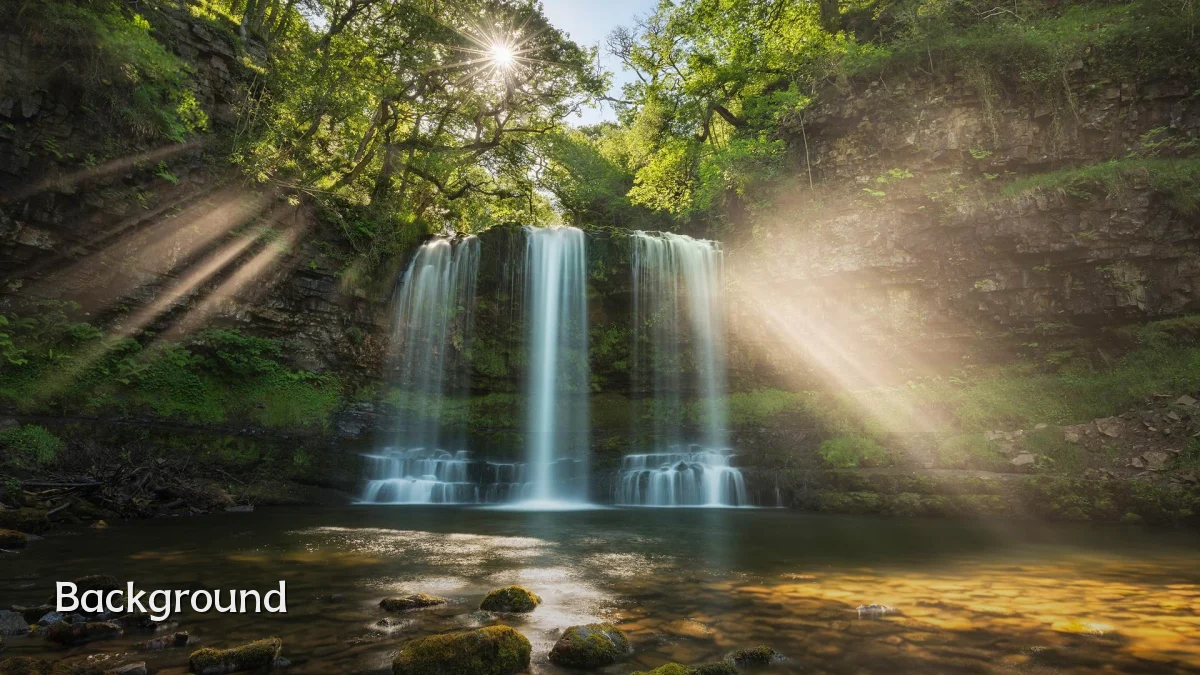
Key principles established over the past decade include:
- Diffusion scale: The larger and closer the light source (e.g., a hazy sky or a shaded wall), the softer the shadows.
- Angle of incidence: Side-lighting (45–90 degrees off the lens axis) reveals texture; front-lighting flattens; back-lighting creates rim effects.
- Exposure compensation: Cameras tend to underexpose bright scenes and overexpose dark ones; manual bracketing remains a reliable fallback.
User Concerns
Practitioners frequently cite three recurring challenges when working with natural light outdoors:
- Harsh midday contrast. Direct overhead sun produces deep shadows and blown highlights. Solutions include seeking open shade, using a scrim, or switching to black-and-white conversion to treat contrast as a stylistic element.
- Colour casts from environmental reflectors. Green foliage, red brick, or blue water can tint skin tones. A custom white balance reference card (grey or neutral) or post-processing temperature sliders are typical fixes.
- Inconsistent conditions. Cloud cover, moving subjects, and changing sun angles demand rapid adjustments. Aperture priority with exposure compensation (-0.7 to -1.3 EV for backlit scenes) is a common starting point.
Likely Impact
Broader mastery of natural light is reshaping how photographers approach equipment and post-production. Those who rely more on available light tend to carry lighter kits—favouring fast primes over zooms and leaving strobes at home. Editing workflows are also shifting: instead of heavy exposure correction, more time is spent on subtle curve adjustments and tone-mapping that preserve natural gradients.
On the educational side, workshops and online tutorials now emphasise reading light quality before framing a shot, a skill that reduces the need for extensive retouching. This can lead to faster turnaround and more consistent portfolios, particularly for event, portrait, and landscape photographers.
What to Watch Next
Several developments may further change how natural-light techniques are learned and applied:
- Multi-frame computational photography – Even mid-range cameras are adopting bracketed capture that merges exposures in-camera, reducing the penalty for high-contrast scenes.
- Weather-aware shooting tools – Apps that predict cloud density, sun position, and atmospheric clarity to the minute are becoming more precise and accessible.
- Modular diffusion gear – Compact, collapsible reflectors and frames that attach to backpacks or tripods may replace traditional umbrellas for location work.
- Algorithmic light simulation – Post-processing software now offers "relight" tools that model natural light angles, though purists argue these undermine the craft of in-camera decision-making.
As sensors continue to improve in dynamic range and colour accuracy, the gap between natural-light and artificial-light results will likely narrow further—but the ability to read and compose with available light will remain a distinct skill that separates experienced outdoor photographers from casual shooters.